

Are Genuine Leather Seat Covers Worth It?
Genuine leather seat covers can be worth the investment for drivers who prioritize natural texture, premium appearance, breathability, vehicle-specific fit, and a more refined interior feel.
They usually cost more and require more material-specific care than leatherette, so they may not be the best choice for every budget or lifestyle. The right choice depends on how you use your vehicle, how much maintenance you are comfortable with, and the type of interior experience you want.
What Does “Genuine Leather Seat Cover” Mean at EKR?
Material descriptions matter, especially when comparing premium seat-cover options.
Genuine Leather on the Main Front-Facing Surfaces
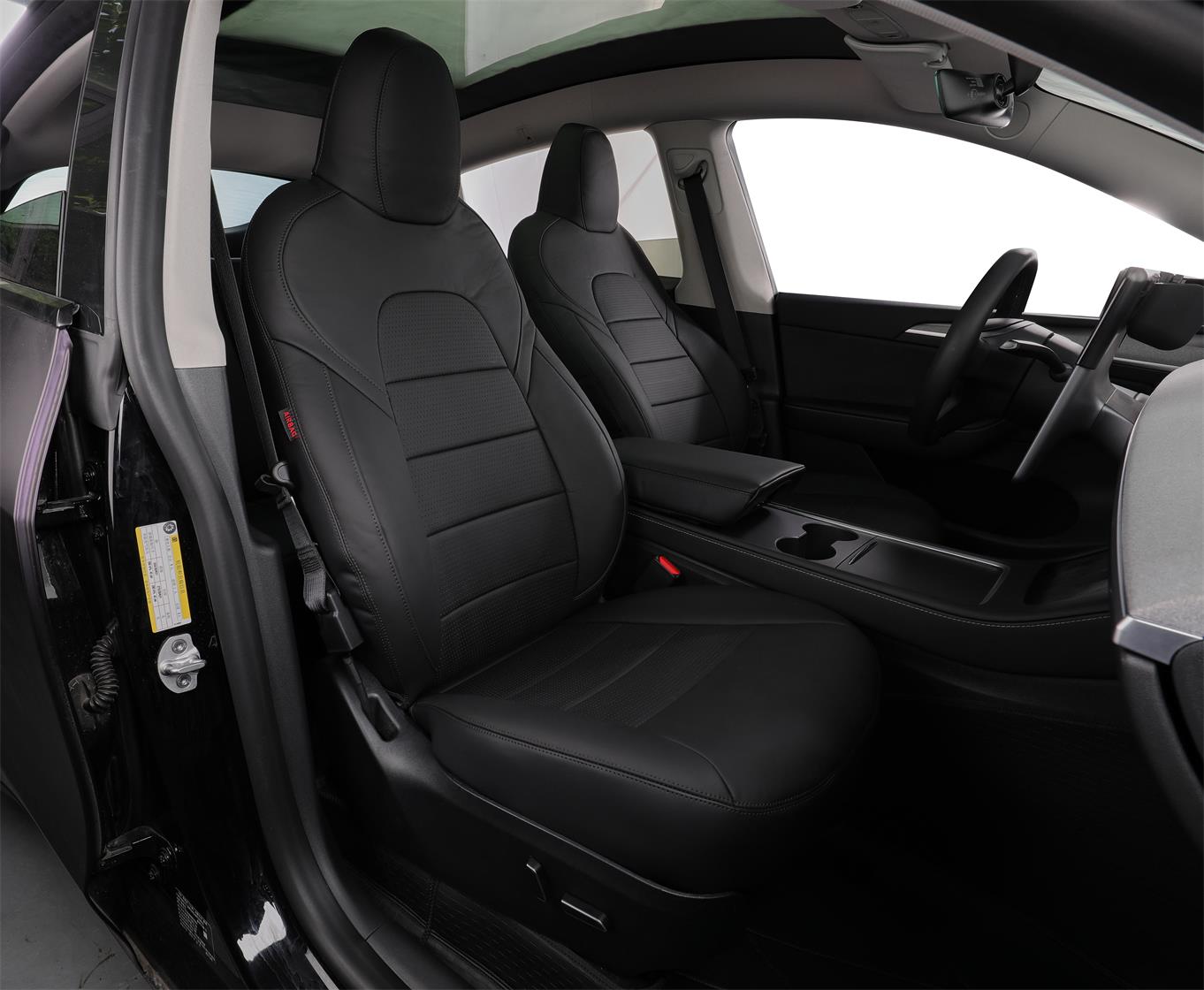
EKR Luxury Italian Genuine Leather Custom-Fit Seat Covers use genuine leather across the full front-facing surface, including the visible front portions of the headrest, backrest, and seat cushion.
Selected side, rear, supporting, or non-facing areas may use carefully matched materials selected for flexibility, shaping, structure, and everyday durability.
In other words, the product should not be interpreted as genuine leather on every single hidden or supporting surface.
Why Do Drivers Choose Genuine Leather?
Genuine leather has a different appearance, feel, and care profile from synthetic seat-cover materials.
Natural Grain
Genuine leather naturally varies in grain and surface character. This can create a more organic, less uniform appearance than a synthetic leather surface.
Natural Feel
Many drivers choose leather for its supple surface feel and the way it integrates with premium factory interiors.
Natural Breathability
Genuine leather contains natural pores that provide inherent breathability through the material surface.
Interior Appearance
When combined with vehicle-specific tailoring, genuine leather can create a clean, premium interior upgrade while protecting the original seating surface.
Protective Layer
Seat covers place an additional layer between everyday use and the factory upholstery, helping reduce direct exposure to ordinary wear, dirt, and contact.
Long-Term Ownership Appeal
For drivers who plan to keep their vehicle and prefer premium materials, genuine leather can make sense even when the initial cost is higher than many synthetic alternatives.
Genuine Leather vs. Leatherette Seat Covers
Neither material is automatically right for every driver. The better choice depends on comfort, appearance, maintenance, and budget priorities.
| Factor | Genuine Leather | Leatherette |
|---|---|---|
| Surface Character | Natural grain and natural variation | More uniform synthetic surface |
| Feel | Natural, supple leather feel | Varies by construction; generally designed to recreate a leather-like feel |
| Breathability | Natural pores provide inherent breathability | Depends on material construction and surface treatment |
| Appearance | Natural, premium, less uniform | Consistent, controlled appearance |
| Maintenance | Requires leather-appropriate care | Often easier for routine wipe-down care |
| Initial Cost | Usually higher | Usually more accessible |
| Best For | Drivers prioritizing premium natural material and interior feel | Drivers prioritizing easy care, value, and consistent appearance |
Want to compare more materials? See the Car Seat Cover Materials Guide .
Does Genuine Leather Need Perforation to Be Breathable?
EKR genuine leather is kept unperforated by default. Natural leather already contains its own microscopic pores, which provide inherent breathability.
Keeping the leather surface intact also helps preserve the original surface structure and avoids adding unnecessary artificial perforations.
For everyday ownership, this approach also supports simpler surface cleaning and helps preserve the material's overall integrity.
The perceived level of airflow or temperature comfort can still vary depending on the vehicle, seat structure, climate, and material thickness.
Material Quality Is Only Part of the Equation
A premium material still needs to match the actual vehicle and seat structure.
Confirm Year, Make, Model & Trim
Vehicle-specific fitment starts with the exact Year, Make, Model, and Trim.
Check the Seat Configuration
Headrests, armrests, split rear seats, seat controls, and seating capacity can affect the correct pattern.
Factory Functions Matter
Check heated seats, ventilation, seat-mounted side airbags, folding functions, child-seat access, and other original features.
Fit Before Style
Color and material matter, but the correct vehicle configuration should always be confirmed first.
Not sure which configuration you need? Read: What Seat Covers Fit My Car?
Can Genuine Leather Seat Covers Be Used With Heated and Ventilated Seats?
Yes — With the Correct Vehicle and Product Configuration
EKR custom-fit seat covers can be used while retaining factory heating and ventilation functions.
Material choice, material thickness, original seat construction, and the vehicle's climate-control system can affect how quickly heat or airflow is perceived.
For genuine leather, EKR keeps the leather surface intact by default rather than adding artificial perforations. Natural leather pores provide inherent breathability.
Learn more in: Can You Put Seat Covers on Heated and Ventilated Seats?
What About Seat-Mounted Side Airbags?
For applicable EKR custom-fit designs, designated seat-mounted side-airbag areas use specialized construction around the original airbag location.
This includes a dedicated breakaway / weakened seam and specialized airbag stitching in the designated area.
Correct vehicle selection and installation remain important. Never sew, reinforce, add padding, or otherwise modify a designated airbag seam.
For more detail, read the EKR Airbag Compatibility Guide .
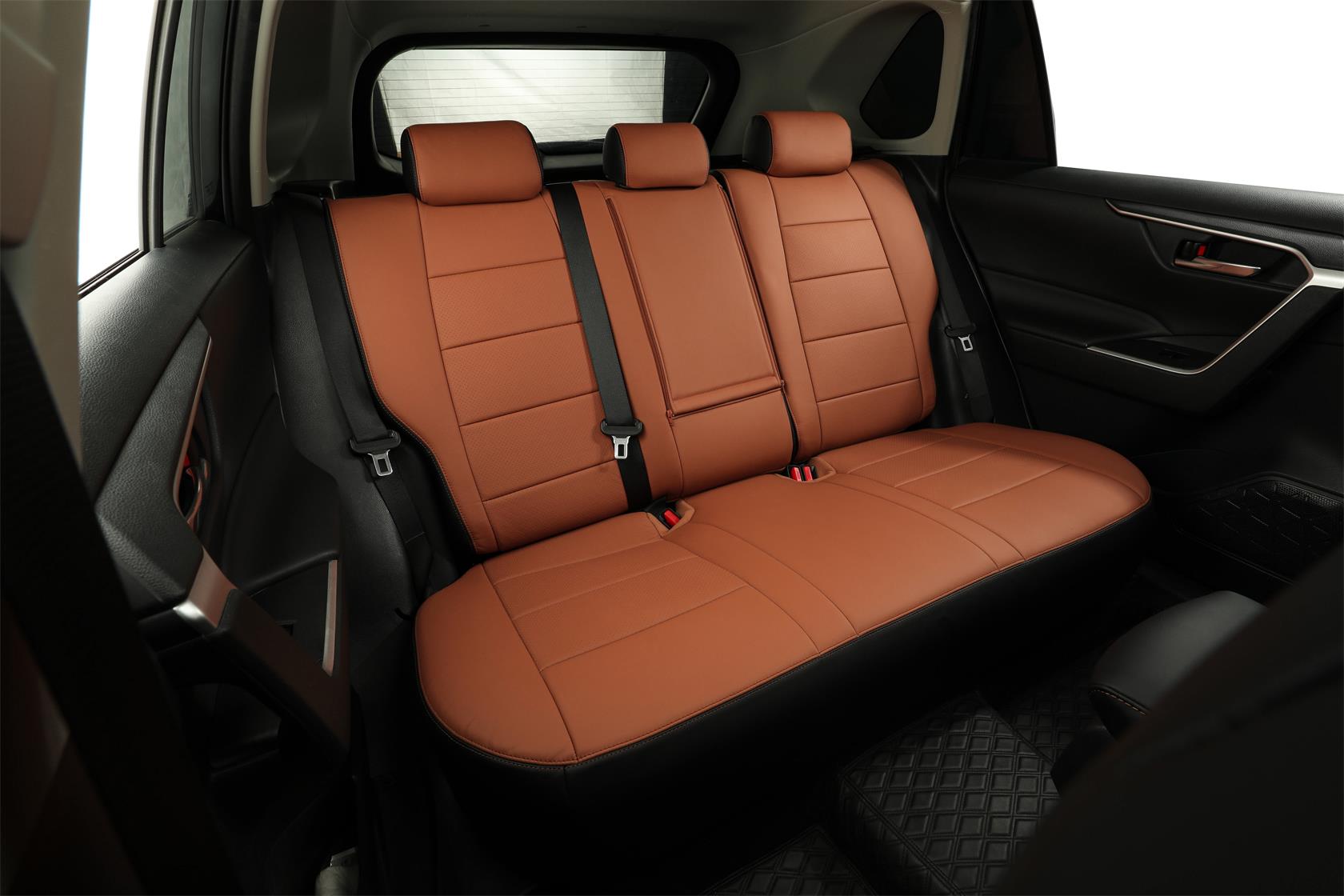
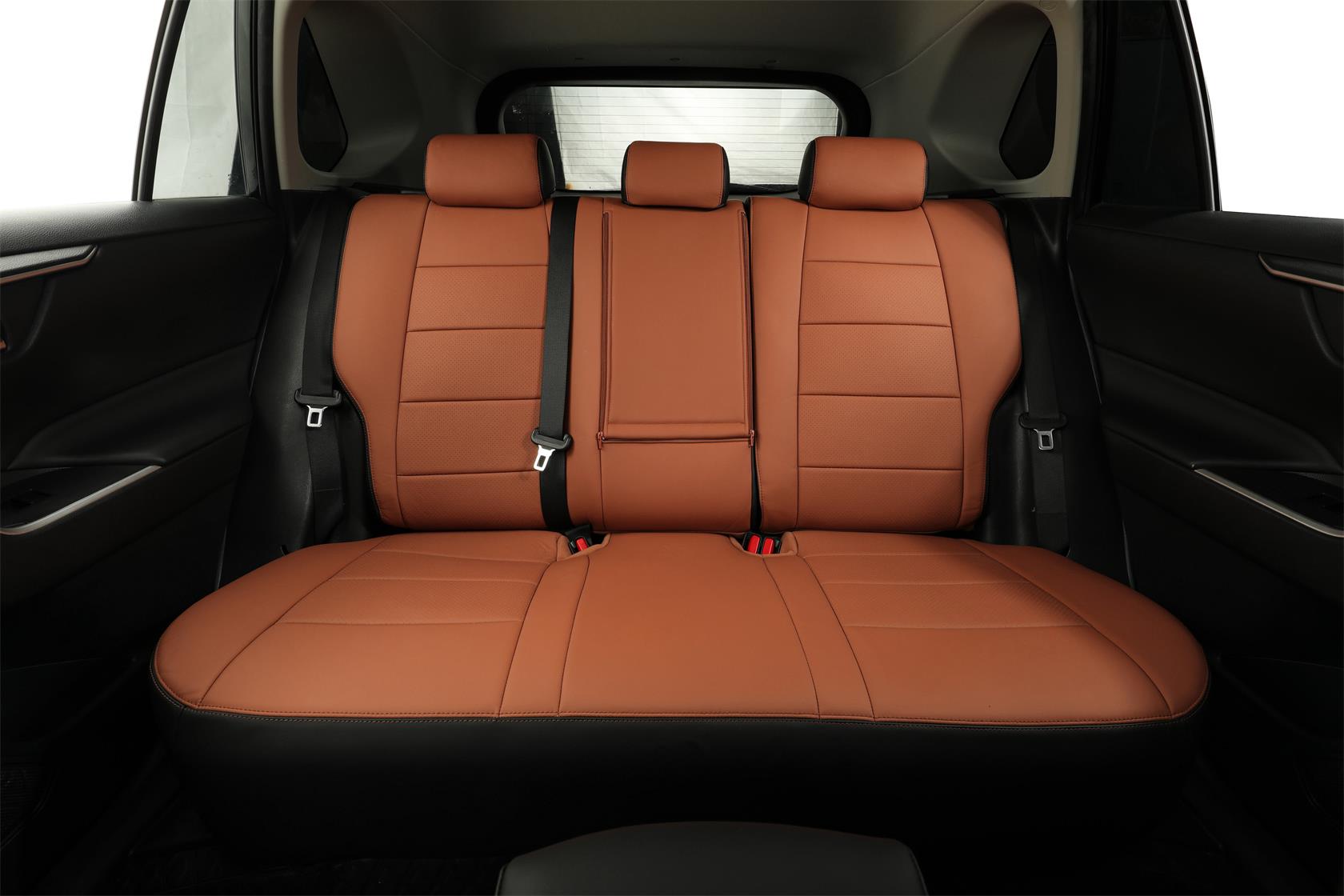
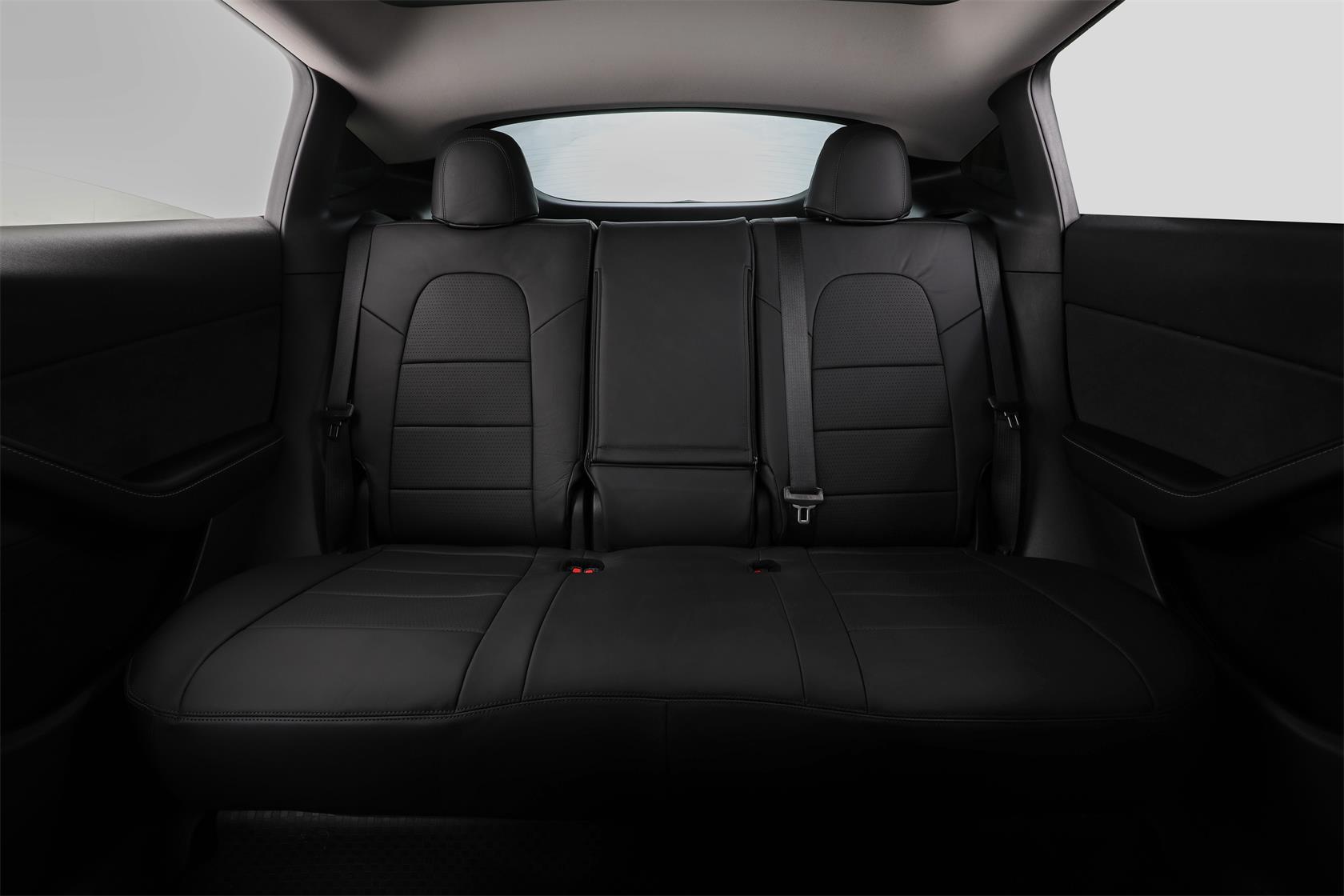
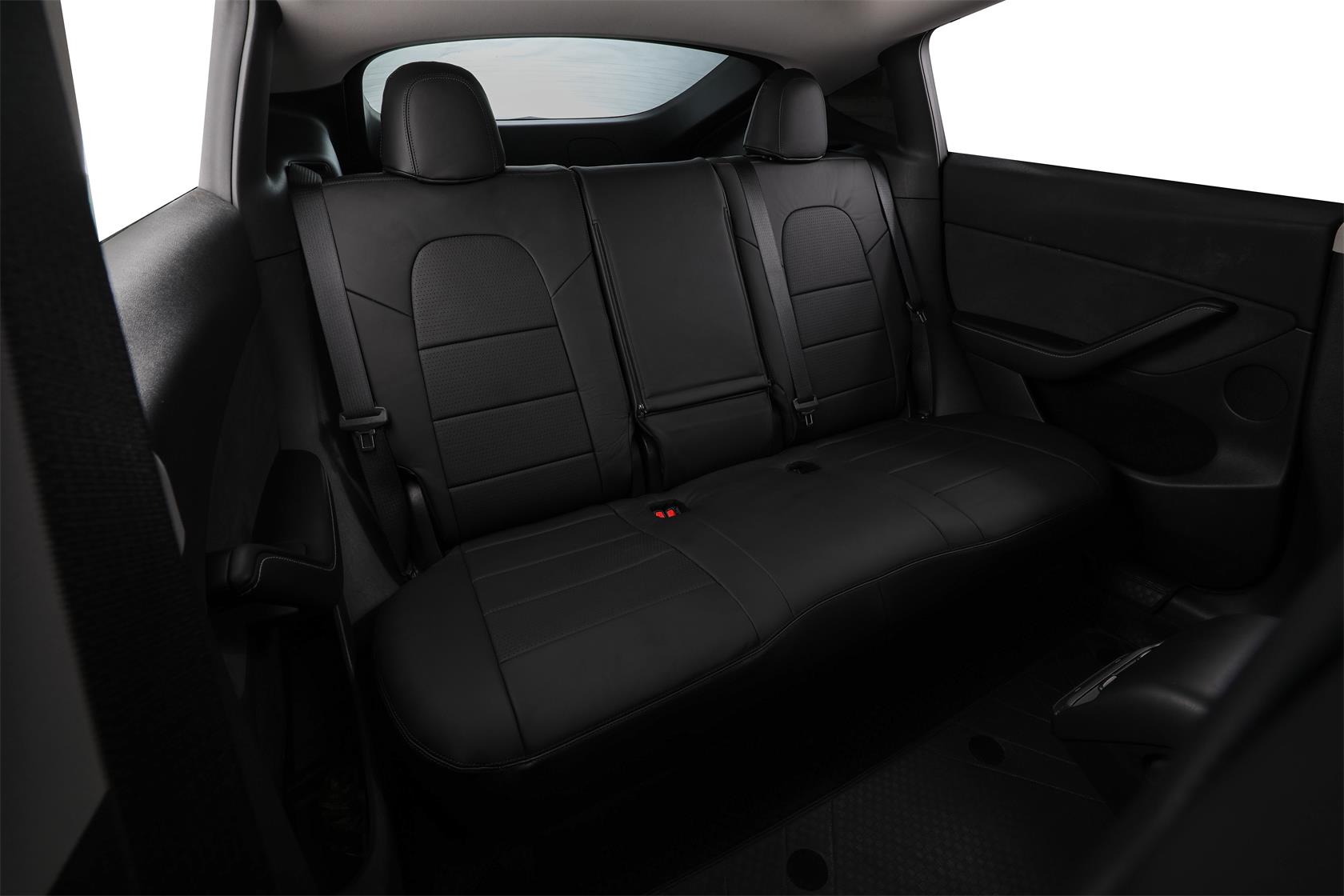
Current EKR Genuine Leather Colors
Choose a color that works with the dashboard, door panels, carpet, and factory trim already inside your vehicle.
Who Should Consider Genuine Leather Seat Covers?
Premium Interior Buyers
Genuine leather is especially relevant if natural material and premium cabin appearance are high priorities.
Long-Term Vehicle Owners
Drivers planning to keep a vehicle for an extended period may value the combination of premium material and removable seat protection.
Drivers Who Value Natural Texture
Leather is a good fit for buyers who prefer natural grain over the more uniform appearance of synthetic materials.
Owners Comfortable With Material Care
Genuine leather deserves more careful cleaning and material-appropriate maintenance than many synthetic options.
Genuine Leather Is Not Automatically the Best Choice for Everyone
Leatherette may be more practical if your main priorities are easier routine maintenance, a lower initial price, or a highly uniform surface appearance.
Neoprene or Canvas may make more sense for some active, work, pet, or outdoor use cases.
Compare the full range in the EKR Car Seat Cover Materials Guide .
How Should You Care for Genuine Leather Seat Covers?
Genuine leather benefits from gentle, material-appropriate cleaning. Routine care should focus on removing dust, addressing spills promptly, and avoiding cleaners that can dry, discolor, or damage the surface.
Use a Soft Cloth
Remove loose dust and light surface residue with a clean, soft cloth.
Address Spills Promptly
Blot small spills rather than allowing moisture or residue to remain on the leather surface.
Use Leather-Safe Products
Follow product-specific care guidance and use cleaners intended for genuine leather when deeper cleaning is needed.
Avoid Harsh Chemicals
Strong solvents, harsh disinfectants, abrasive cleaners, and aggressive scrubbing can damage leather surfaces.
For broader maintenance guidance, see the Car Seat Cover Care & Maintenance Guide .
Correct Installation Matters With a Custom-Fit Cover
A vehicle-specific cover is designed to follow the original seat structure more closely than a broad universal-fit product, so installation typically requires careful alignment and fastening.
Use the Official Installation Guide
Before installation, identify every seat-cover piece, confirm its orientation, and check seat controls, rails, seat belts, headrests, armrests, and applicable airbag areas.
Genuine Leather Seat Cover FAQs
Are genuine leather seat covers worth the extra cost?
They can be if natural material, premium appearance, natural grain, breathability, and long-term interior quality are important to you. Drivers prioritizing lower cost or simpler maintenance may prefer leatherette.
Are EKR genuine leather seat covers made entirely from genuine leather?
Genuine leather covers the full front-facing surface, including the visible front portions of the headrest, backrest, and seat cushion. Selected side, rear, supporting, or non-facing areas may use matched materials for structure, flexibility, shaping, and durability.
Does genuine leather need perforation to breathe?
Genuine leather naturally contains pores. EKR keeps the genuine leather surface unperforated by default so the natural surface structure remains intact while retaining inherent breathability.
Can genuine leather seat covers work with heated seats?
Yes. EKR custom-fit seat covers can be used while retaining factory heating functions. Material thickness and the original seat structure can affect how quickly heat is felt.
Can they work with ventilated seats?
Yes. Compatibility depends on the vehicle, original ventilation system, seat design, and selected material. EKR genuine leather remains unperforated by default, with natural leather pores providing inherent breathability.
Are EKR genuine leather seat covers airbag compatible?
For applicable EKR designs, seat-mounted side-airbag areas use dedicated construction around the original airbag location, including a breakaway / weakened seam and specialized stitching. Correct vehicle selection and installation remain important.
What colors are currently available?
Current EKR genuine leather color options include Black, Red, Burgundy, Black/Brown, and Brown. Product availability can vary by vehicle configuration.
How do I know whether genuine leather fits my vehicle?
Confirm your exact Year, Make, Model, Trim, and seat configuration before ordering. Headrests, armrests, rear-seat layout, and factory features can affect compatibility.
Is genuine leather better than leatherette?
It depends on your priorities. Genuine leather offers natural grain, natural pores, and a premium material feel. Leatherette usually offers easier routine maintenance and a lower entry price. Neither option is automatically best for every driver.
Explore EKR Genuine Leather Custom-Fit Seat Covers
Confirm your exact vehicle, review available configurations, and compare genuine leather with other EKR material options before choosing your interior upgrade.
Why Choose Cowhide Seat Covers?
Cowhide seat covers are highly adaptable, providing ideal comfort in diverse climates and environments. In dry winters, cowhide's natural breathability helps regulate humidity and keep seats dry. In hot summers, its breathable properties help dissipate heat quickly, preventing overheating. Additionally, premium cowhide is UV-resistant and maintains its quality and color under prolonged sun exposure. It can withstand extreme temperature ranges from -40℉ to 170℉ without cracking, fading, or losing elasticity, ensuring durability and comfort no matter where your journey takes you.
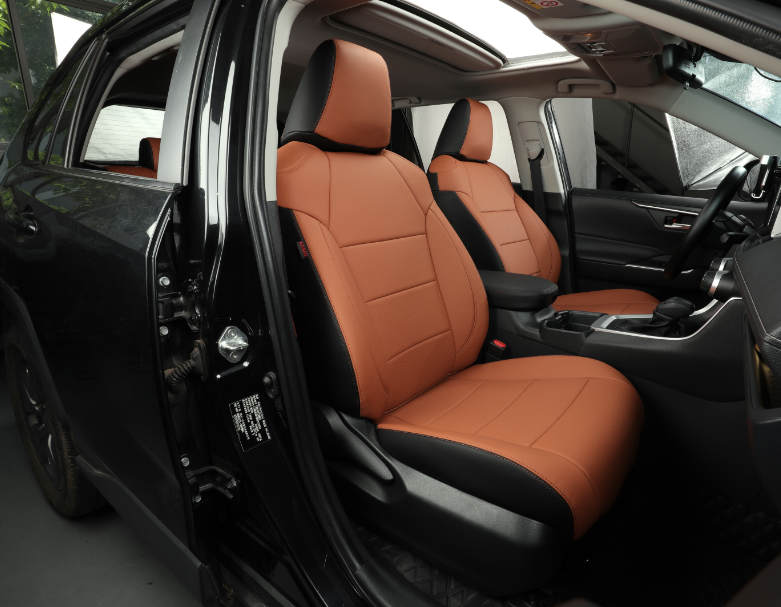
The Uniqueness of Cowhide Seat Covers
The greatest strengths of cowhide seat covers lie in their natural texture and unparalleled comfort. Unlike other synthetic materials, cowhide seat covers are made from unprocessed natural cowhide, offering numerous advantages:
- Natural Breathability: Cowhide's naturally evenly distributed pores make it over three times more breathable than synthetic materials. This means that even after prolonged use, cowhide seat covers effectively wick away perspiration and keep you dry. This is particularly suitable for hot summer days, as it reduces sweat accumulation and maintains a comfortable seat feel.
- Durability: Cowhide's dense fiber structure offers excellent tear and abrasion resistance. High-quality top-grain cowhide is not only soft to the touch but also extremely durable, with a lifespan of up to eight or even ten years.
- Elasticity and Stability: Cowhide's excellent elasticity and stability prevent seat covers from deforming during use. Even after prolonged pressure, the cowhide's grain naturally stretches and returns to its original shape.
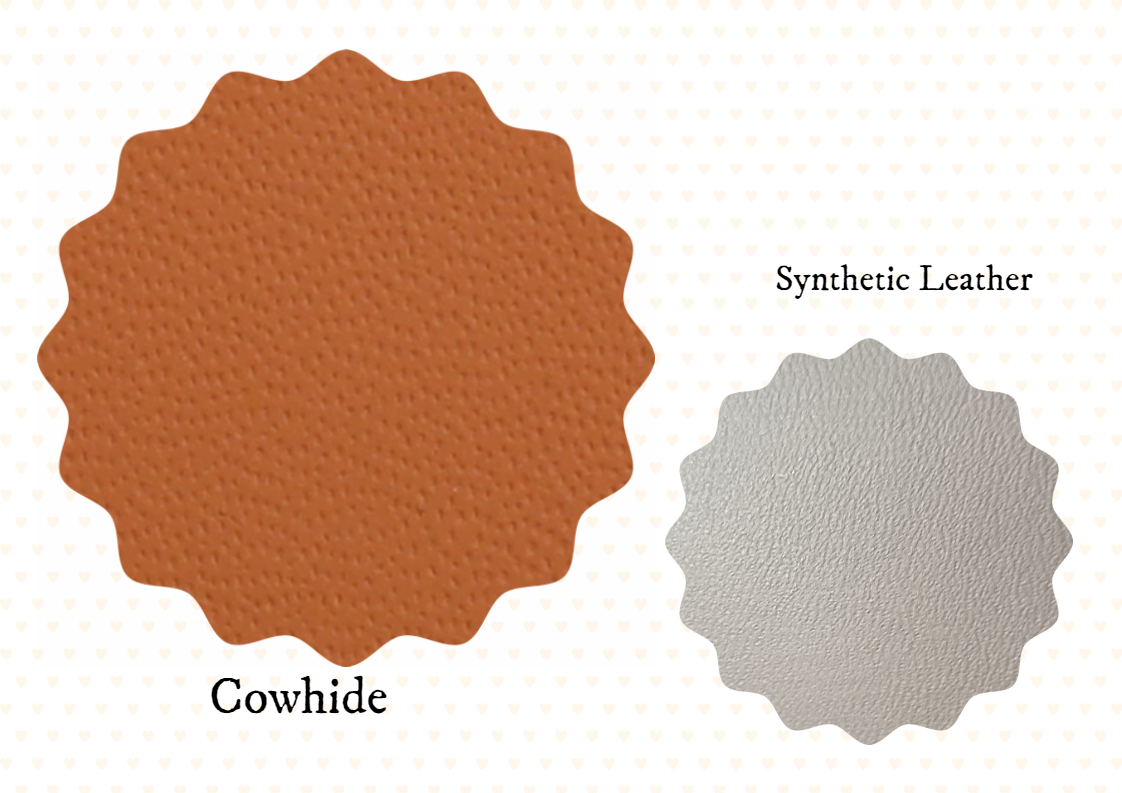
Comparison between Cowhide and Synthetic Leather
1. Breathability
Cowhide seat covers are naturally breathable, with evenly distributed pores that offer over three times better airflow than synthetic leather. This allows air to circulate freely, keeping the seats cool and dry even on long drives. In contrast, synthetic leather traps heat and moisture, often causing the surface to feel sticky and uncomfortable, especially during summer.
2. Comfort
Genuine cowhide is soft, flexible, and naturally adaptive to body contours, providing superior comfort year-round. In winter, it stays warm and inviting, and in summer, it feels cooler against the skin. Synthetic leather, on the other hand, is often stiff and less flexible, feeling sticky in hot conditions and cold in winter.
3. Durability
Cowhide leather features a dense fiber structure that makes it highly resistant to tearing, cracking, and fading. With proper care, cowhide seat covers can last 8 to 10 years or more. Synthetic leather typically begins to peel or crack within 2 to 4 years, especially when exposed to direct sunlight or heavy daily use.
4. Appearance
Each piece of cowhide has a unique natural grain and develops a beautiful patina over time, offering a truly premium and luxurious look. Synthetic leather, while uniform in color, often appears artificial and lacks the depth and character of natural leather.
5. Temperature Adaptability
It is also UV-resistant, maintaining its color and texture even under strong sunlight. Synthetic leather, however, is sensitive to heat and UV exposure, which can lead to fading, hardening, or cracking.
6. Environmental and Health Safety
Being a natural and chemical-free material, cowhide is safe for prolonged use, even for families with children or pets. It emits no harmful gases or odors. In contrast, synthetic leather often contains industrial chemicals and may release volatile organic compounds (VOCs), which can create an unpleasant smell and potentially irritate sensitive individuals.
7. Maintenance
Cowhide is easy to clean with proper leather care products and, over time, develops a rich patina that enhances its appearance. Synthetic leather may be simple to wipe clean, but once peeling or cracking occurs, the damage is irreversible, often requiring full replacement.
8. Value Over Time
Although cowhide seat covers have a higher initial cost, their durability and lasting comfort make them a cost-effective investment over time. Synthetic leather might seem budget-friendly at first but typically requires more frequent replacements, increasing long-term costs.
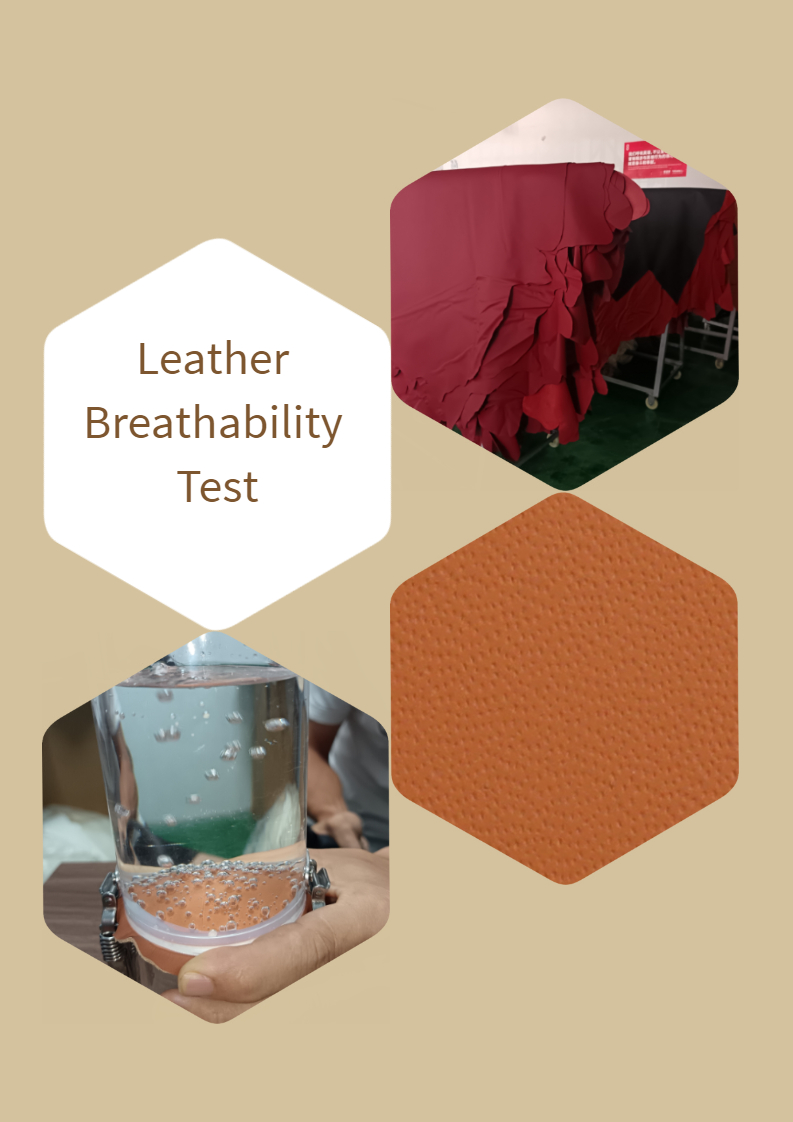
Breathability Test
To more clearly demonstrate the breathability of cowhide, we conducted professional breathability tests to ensure consumers have a comprehensive understanding of the performance of cowhide seat covers. During the test, we used a transparent container filled with a certain amount of water. During the test, we focused on observing the flow of bubbles within the water.
In the test, the cowhide material demonstrated remarkable breathability, with bubbles quickly passing through the leather layer. This demonstrates that the natural pores and fiber structure of cowhide allow air and moisture to circulate freely. This excellent breathability allows the cowhide seat covers to effectively wick away perspiration, preventing discomfort caused by overheating after prolonged use. It also helps keep the seats dry and reduces moisture accumulation, thereby improving overall comfort.
Compared to other synthetic materials, cowhide's natural breathability is significantly superior. While synthetic leather may have a smooth surface, it lacks sufficient pores and breathability, often causing the seat surface to heat up and even cause perspiration to accumulate, compromising comfort. Cowhide seat covers, with their exceptional breathability, ensure a comfortable driving experience in all weather conditions.
This natural breathability makes cowhide seat covers an ideal choice for hot or humid conditions, providing a fresher, more comfortable seating experience and improving the air quality throughout the vehicle.
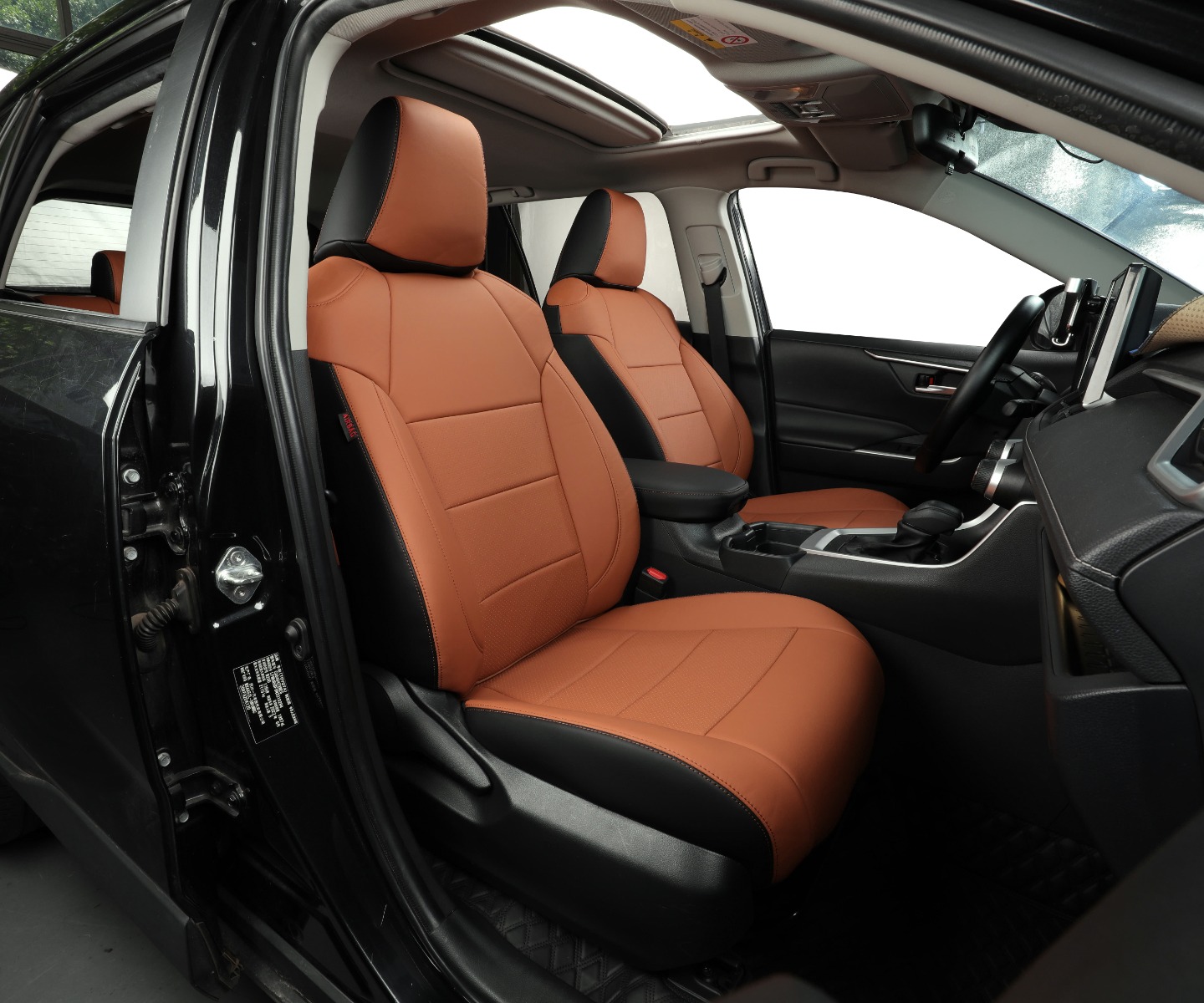
Italian-Imported Cowhide & Color Options
We use Italian-imported, top-grain cowhide selected for a consistent hand, rich natural grain, and long-wear comfort. Italian tanning delivers a supple feel out of the box that breaks in beautifully, developing a subtle patina with time.
Why Italian cowhide?
Natural breathability with evenly distributed pores for all-season comfort.
Durable fiber structure that resists tearing and abrasion through daily use.
Premium finish & patina that ages with character rather than wearing out.
Color Palette
Carbon Black – A clean, modern, and sophisticated color that complements most factory interiors.
Saddle Brown – A warm, luxurious hue that complements wood or bronze accents.
Brilliant Red – A timeless, heritage look that adds a pop of color to a dark cabin.
Bordeaux Red – Light and breathable, creating a refined, minimalist ambiance.
Tip: Light colors show dye transfer from dark denim more readily—wipe down regularly with a neutral leather cleaner.
How to care for cowhide seat covers?
1. Avoid Direct Sunlight
Prolonged exposure to strong sunlight can cause cowhide to dry out, harden, or crack. Whenever possible, avoid parking your car in direct sunlight or use sunshades to protect your interior.
2. Clean Regularly
Regular cleaning helps maintain the softness and luster of cowhide. Use clean water for a light wipe-down, followed by a dedicated leather cleaner, leather conditioner, or softening oil to keep the material supple and nourished.
3. Avoid Moisture
Cowhide absorbs moisture easily. Prolonged exposure to humidity or water can damage its texture and elasticity. Keep the interior dry and wipe any spills immediately.
4. Prohibited Cleaning Agents
Do not use high-acid, high-alkaline, high-concentration alcohol, 84 disinfectant, or other harsh chemicals, as these can strip the natural oils, discolor, or damage the leather surface.
5. Maintenance Routine
For best results, establish a maintenance schedule:
Light wipe-down weekly.
Deep clean and condition every 1–2 months.
Avoid prolonged direct sunlight or high-humidity storage environments.
EKRCOVER's cowhide seat covers are a high-quality product that combines beauty, comfort, and durability. Made from natural Italian imported cowhide, this product is highly breathable, wear-resistant, and elastic, providing drivers with a comfortable driving experience for extended periods. Whether you're looking for comfort or durability, cowhide seat covers are your ideal choice.


The information below is required for social login
Sign In
Create New Account